Travel Tips
Upper Mustang Travel Guide: Route, Permits, Cost, Best Time & Things to Know
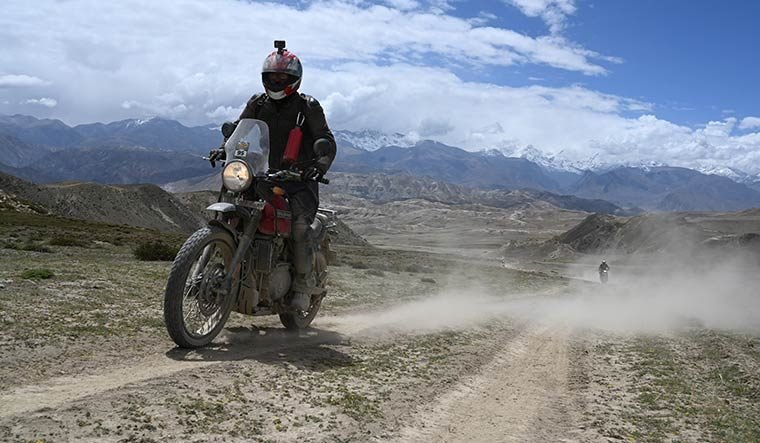
The Upper Mustang region of Nepal is one of the most interesting regions in the Himalayas, featuring high desert scenes, caves, remote villages, centuries-old monasteries, ancient Tibetan-influenced culture and dramatic highland landscapes. Upper Mustang is often referred to as the "Last Forbidden Kingdom" because it was cut off from the rest of the world historically. It was opened to international trekkers in 1994 and is still a restricted area for trekking that requires a special permit.
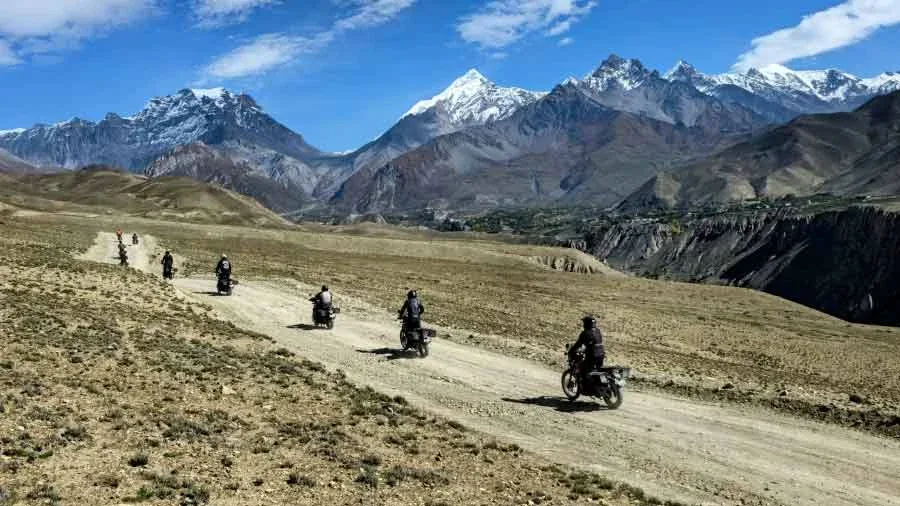
Compared to other parts of Nepal, Upper Mustang is in the rain shadow region of the Himalayas. It is a place with bare cliffs, deep gorges, unique rock formations and the colourful mountains, a landscape that is unlike most of the trekking destinations. This is an Upper Mustang travel guide that discusses the route, permits, costs, the best time to visit the Upper Mustang, the main attractions of the region, accommodation, transportation, trekking conditions and basic tips for planning a trip to the region.
Why Visit Upper Mustang?
The adventures, culture, history and breathtaking Himalayan scenery of Upper Mustang make it a travel experience you'll never forget.
Some of the top reasons tourists decide to go on an Upper Mustang Trek are:
-
Ancient Tibetan-influenced villages
-
Wilderness landscapes with high altitudes and deserts.
-
Historic monasteries
-
Lo Manthang's ancient walled settlement
-
Cliffside caves
-
Traditional Himalayan architecture
-
Unique Buddhist culture
-
Remote trekking trails
-
Panoramic mountain views
-
A quieter alternative to busier Himalayan routes
It's an area that has special appeal to those who don't necessarily want to visit the traditional trekking spots.
Upper Mustang Route
The usual way to reach the Upper Mustang area is from the city of Pokhara, which is one of the prominent tourist centres in Nepal.
A usual journey is as follows:
Pokhara → Jomsom → Kagbeni → Chele → Syangboche → Ghami → Tsarang → Lo Manthang
Jomsom is the significant gateway to Mustang and Kagbeni is the traditional entrance to the restricted region of Upper Mustang. The journey may be done by travelling and trekking according to the program.
Pokhara to Jomsom - Jomsom is accessible to travellers by air (when flights are available) or by road. Jomsom is a logistical hub and provides access to the Mustang region.
Jomsom to Kagbeni - Kagbeni is an ancient village, located at the gateway to the Upper Mustang region. It is generally the beginning point for the journey in a restricted area.
Kagbeni to Lo Manthang - The walk gently passes through increasingly arid terrain, traditional villages and eventually enters Lo Manthang.
It takes several days to complete the ride, and a few more are suggested for visiting the historic settlement and the locality.
Upper Mustang Permit Requirements
-
The first thing you need to know about a trip to the Upper Mustang is that it is a restricted area.
-
It is necessary to obtain a special trekking permit, and travellers should secure the necessary permits from an authorised trekking agency.
-
The limited-area permit is paid per person, per day. Please check the rules and permit fees before travelling, as they are subject to change.
-
Other charges for trekking and conservation may also have to be added to the total budget for the trip.
Do You Need a Guide for Upper Mustang?
-
Yes. There are restricted area rules in Upper Mustang, and travellers have to make arrangements for the trek through an appropriate registered trekking agency, which includes hiring a guide and making necessary arrangements.
-
A guide can also be of great value, especially regarding local culture and way of life, remote trails, lodging arrangements and changing mountain conditions.
-
If this is your first time visiting, having a guide will help make things easier and more organised for you.
Upper Mustang Trek Cost
The overall trek fee for the Upper Mustang depends on the length of the trek, transportation, accommodation, guide, permits, group size and level of service.
Some of the major expenses can include:
-
Upper Mustang restricted-area permit
-
Applicable conservation fees
-
Guide and porter charges
-
Transportation
-
Accommodation
-
Food
-
Travel insurance
-
Flights, if applicable
-
Equipment rental or purchase
-
Personal expenses
The number of days you spend in the Upper Mustang can make a big difference in your budget, as the restricted area permit is charged based on the number of days.
When booking a vacation package, make sure to ask for a detailed breakdown of the Upper Mustang trek cost so that travellers have a clear idea of what they are paying for and what is not.
Best Time to Visit Upper Mustang
In the rain shadow of the Himalayas, Upper Mustang's climate is relatively dry. This is not like many other trekking areas of Nepal.
Spring: March to May
The weather for trekking is mostly good in the spring, with low temperatures and pleasant climbing weather at low elevations and excellent views of the mountains. For those interested in cultural events, May can be an interesting time, as the Tiji Festival in Lo Manthang is usually held in this month.
Summer and Monsoon: June to August
Upper Mustang is somewhat accessible during the monsoon due to its rain shadow position. However, weather can impact transportation, especially in lower Mustang and surrounding regions.
Autumn: September to November
The autumn season in Nepal is a popular trekking season. This is an interesting time for an Upper Mustang trip with clear skies, relatively stable conditions and mountain visibility.
Winter: December to February
Very cold conditions and possible trekking difficulties occur during the winter months. Accessibility and accommodation may be impacted by snow and freezing temperatures. It is important for travellers to consider current weather conditions and prepare accordingly before travelling in the winter months.
Major Places to Visit in Upper Mustang
-
Lo Manthang - Lo Manthang is the historic centre of Upper Mustang. Narrow lanes, traditional architecture, monasteries and the ancient walled settlement are all characteristic of Tibetan influence. It's one of the prime attractions in an Upper Mustang tour.
-
Kagbeni - Kagbeni is a historical village and an important gateway to Upper Mustang. It's a wonderful place to visit before you go into the restricted area due to its traditional architecture and proximity to the Kali Gandaki River.
-
Ghami - Ghami is one of the traditional villages on the Upper Mustang route. The surrounding cliffs, traditional houses and the ambience of the Himalayas make it a memorable trekking stop.
-
Tsarang - Tsarang is famous for its monastery, its traditional buildings and dramatic landscape. It is a significant spot on the trail to Lo Manthang.
-
Chhoser Caves - The Chhoser caves are among the most interesting ones in the region of Upper Mustang. Many have been cut into steep walls and are a testament to the area's long human habitation and religious life.
Upper Mustang Landscape and Culture
One of the most prominent features of the region is its landscape.
Rather than thick woods, visitors are met with:
-
Red and brown cliffs
-
Rocky plateaus
-
Deep river valleys
-
Wind-carved formations
-
Dry mountain slopes
-
High-altitude villages
Upper Mustang is rich in Tibetan Buddhist influence in culture. The region is dotted with monasteries, prayer flags, chortens, mani walls, traditional houses and religious practices. It is important to be aware of local customs when visiting monasteries, villages and religious sites.
Accommodation and Food
Most accommodation in Upper Mustang is found in guesthouses and teahouses owned by the locals. Facilities are not as elaborate as those in tourist centres, especially in more remote villages.
Common foods are:
-
Dal bhat
-
Momos
-
Thukpa
-
Noodles
-
Soups
-
Tibetan-style bread
-
Tea
In remote areas, travellers should not expect to find a wide selection of menus. It helps to have energy snacks on longer trekking days.
Transportation in Upper Mustang
Upper Mustang can be reached from Pokhara through Jomsom and Kagbeni.
Travellers may use:
-
Domestic flights to Jomsom when operating
-
Jeeps
-
Local vehicles
-
Trekking routes
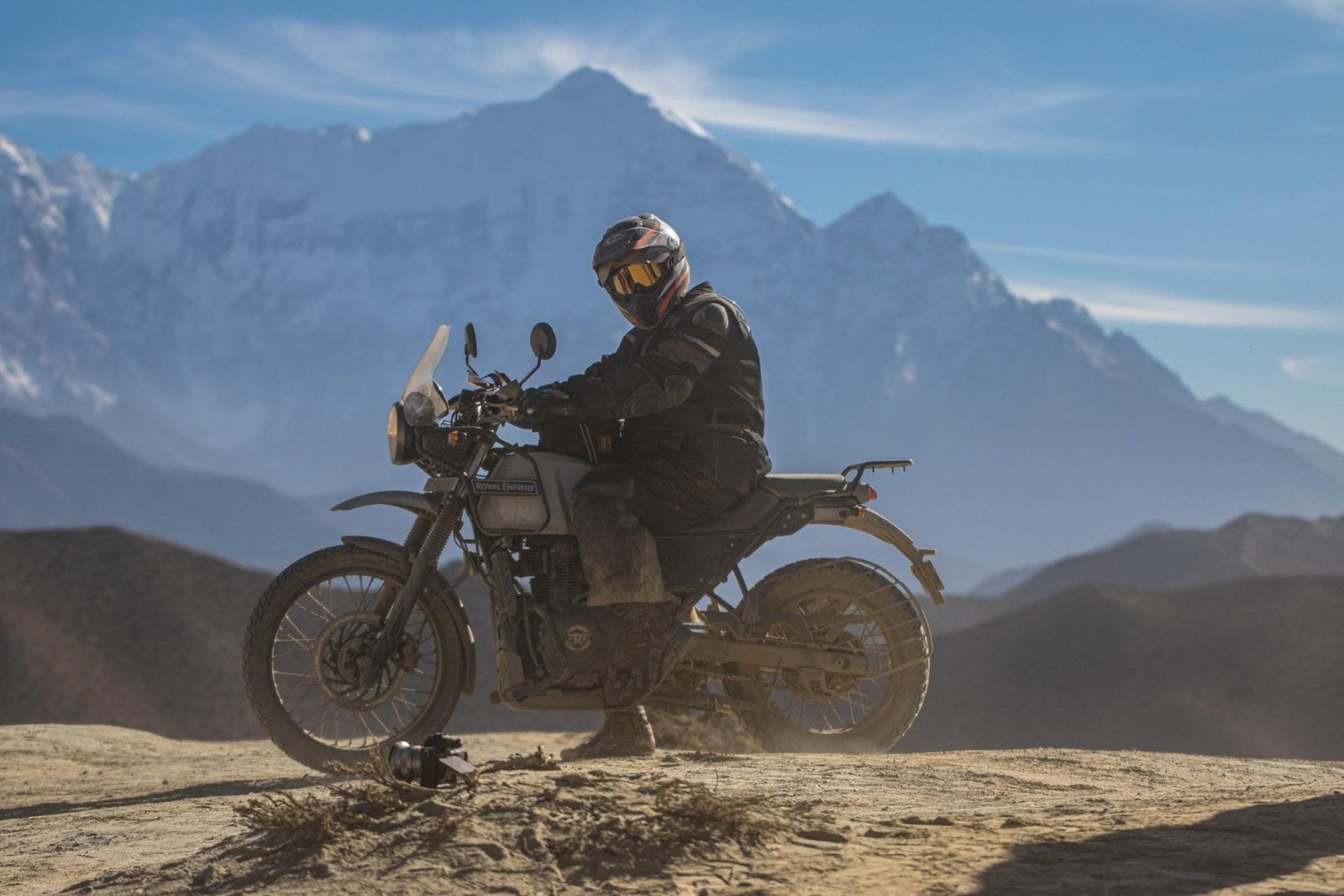
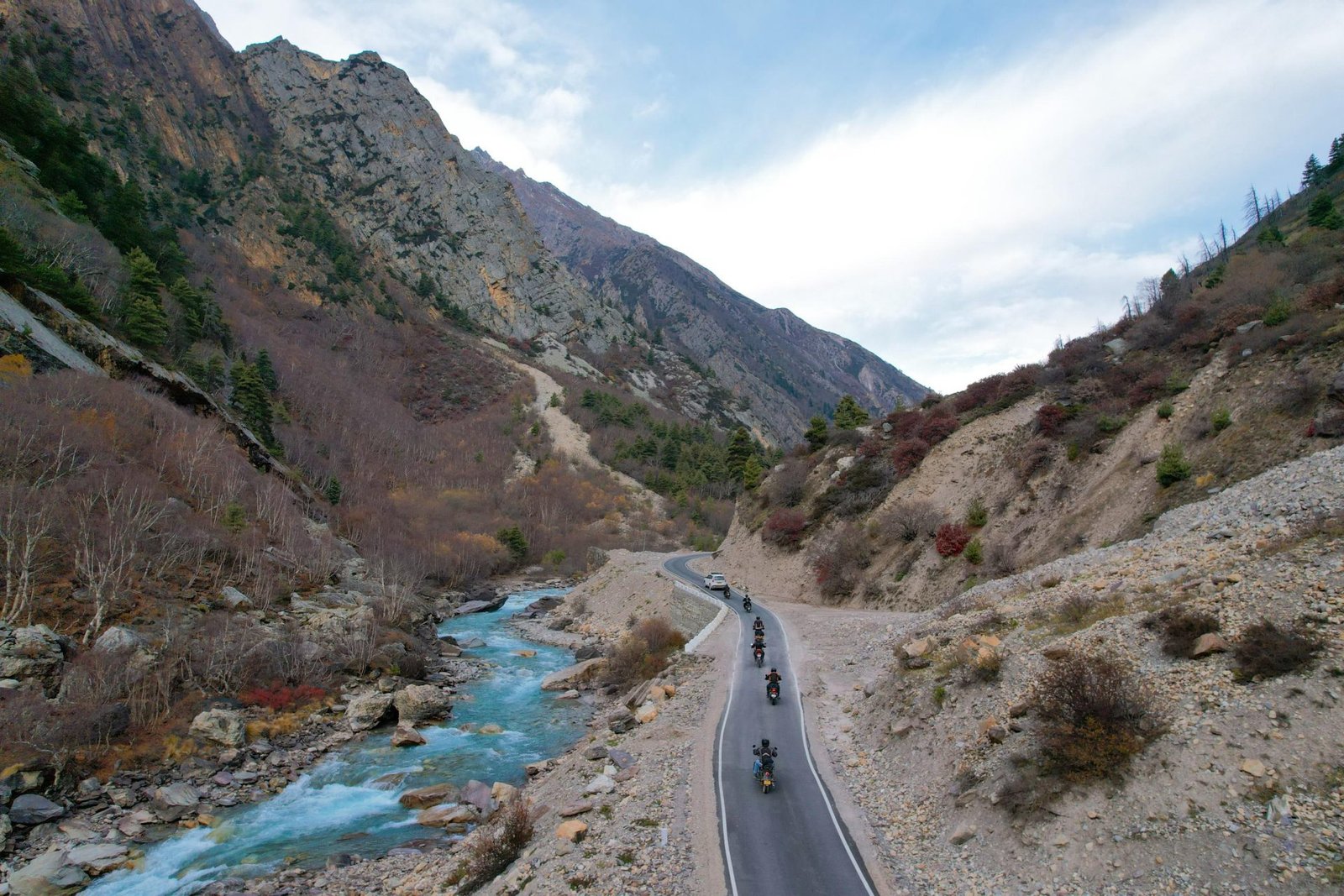
Much of Mustang is now open to cars, and the roads have transformed the way that many people visit the area. For those who prefer a more traditional trekking experience, they can opt to walk a large part of the trail instead. Weather, road maintenance and seasonal conditions will affect transportation conditions.
What to Pack for Upper Mustang
It is important to prepare for Upper Mustang as it has a high altitude and varying weather conditions.
Important items include:
-
Comfortable trekking boots
-
Warm layers
-
Waterproof jacket
-
A fleece or insulated jacket is required.
-
Woolen socks
-
Gloves and a warm hat
-
Sunglasses
-
Sunscreen
-
Reusable water bottle
-
Personal medicines
-
Basic first-aid kit
-
Power bank
-
Headlamp
-
Trekking poles
-
Identification and permit documents
High altitude areas can also be sunny, so it is important to protect yourself from the sun's rays.
Altitude and Acclimatisation
This should be your altitude management while trekking in the Upper Mustang. The path ascends to about 4000 m, and it is possible that passing through this area may cause symptoms of altitude sickness.
A good tour has a gradual ascent and sufficient rest.
Travelers should:
-
Stay hydrated
-
Avoid rushing
-
Get adequate sleep
-
Avoid excessive alcohol
-
Monitor symptoms:
-
If you feel unwell, inform guide
Individuals with any concerns regarding high altitude travel should check with a qualified medical practitioner before travelling.
Responsible Travel in Upper Mustang
Upper Mustang's cultural and natural environment is fragile.
To help protect the region, travellers should:
-
Avoiding litter
-
Carrying reusable water bottles
-
Respecting monasteries
-
Asking before photographing people
-
Avoiding damage to historical structures
-
Supporting local guesthouses and businesses
-
Following designated routes
-
Respecting wildlife and local communities
Responsible tourism contributes to the conservation of Upper Mustang for future generations.
Why Travel With an Experienced Operator?
However, many of the issues involved in the planning of Upper Mustang are unique due to its restricted area, permits, high altitude, remote settlements and transportation logistics.
An experienced operator can help with:
-
Permit arrangements
-
Route planning
-
Guides
-
Transportation
-
Accommodation
-
Trekking schedules
-
Acclimatization
-
Local cultural experiences
-
Emergency planning
Considering the travel dates, route, trekking style and time available, travellers can also consider Brahmanic Trailss for their Upper Mustang tour if they are looking for an organised Himalayan experience.
Upper Mustang Travel Tips
Before leaving for your trip, remember the following:
-
Review current requirements for permits.
-
Double-check transportation arrangements before leaving.
-
Take sufficient cash for remote areas.
-
Keep your itinerary flexible.
-
Provide acclimatisation time.
-
Take warm and layered clothing.
-
Keep away from strong sunlight.
-
Follow local Buddhist traditions.
-
Avoid littering.
-
Utilise experienced guides and registered operators.
-
Make copies of necessary travel papers.
-
Purchase appropriate travel insurance.
Conclusion
Upper Mustang is a place of extraordinary beauty, history, religion and adventure. The route is scenic and one can enjoy one of the most unique cultural areas of Nepal from Kagbeni to Ghami, Tsarang to Lo Manthang.
But Upper Mustang is not a regular trekking area. Due to its regulations under the restricted area, the need for permits, its high elevation, its geographic location and its variable weather conditions, careful planning is needed. With the right season, proper permit arrangements, preparation for high elevation and reliance on local, experienced professionals, the trip can be significantly smoother.
Upper Mustang is a unique place to visit in Nepal for those who are looking for adventure, culture, history and magnificent mountain views.
Frequently Asked Questions
1. What is the best time to visit Upper Mustang?
The months of spring and autumn are times of particular interest for visiting Upper Mustang, as generally good trekking conditions and mountain visibility offer great opportunities for these seasons. Summer can also be appropriate due to the rain-shadow site, and winter is often very cold with harsh conditions.
2. How much does an Upper Mustang trek cost?
The cost depends on the number of trekking days, permits, accommodation, transportation, guide and porter, food and other costs. The restricted area permit is one of the essential components of the overall cost and is determined by the length of stay.
3. Do I need a special permit for Upper Mustang?
Yes. Upper Mustang is a restricted trekking region and travellers should submit a special permit, as well as other necessary trekking documents. The permit should be obtained from an authorised trekking agency.
4. How do I reach Upper Mustang?
The usual route starts from Pokhara and goes to Jomsom, Kagbeni and then into Upper Mustang. The mode of transport will be by air, land or trekking, depending on the program and conditions at the time of travel.
5. How many days are needed for an Upper Mustang trek?
The time may vary depending on the starting point, route, mode of transportation, trekking speed, acclimatisation plan and destinations covered. Visitors should plan for sufficient time to reach Lo Manthang town as well as to enjoy the nearby area, and travel delays should be taken into consideration.
6. Is Upper Mustang difficult to trek?
Although not a technically extreme trek generally, Upper Mustang can be physically challenging due to high altitude, long days of walking, dry weather, strong winds and remote terrain. Acclimatisation, preparation and guidance are crucial to a comfortable journey.