Travel Tips
Upper Mustang vs Lower Mustang: What's the Difference?
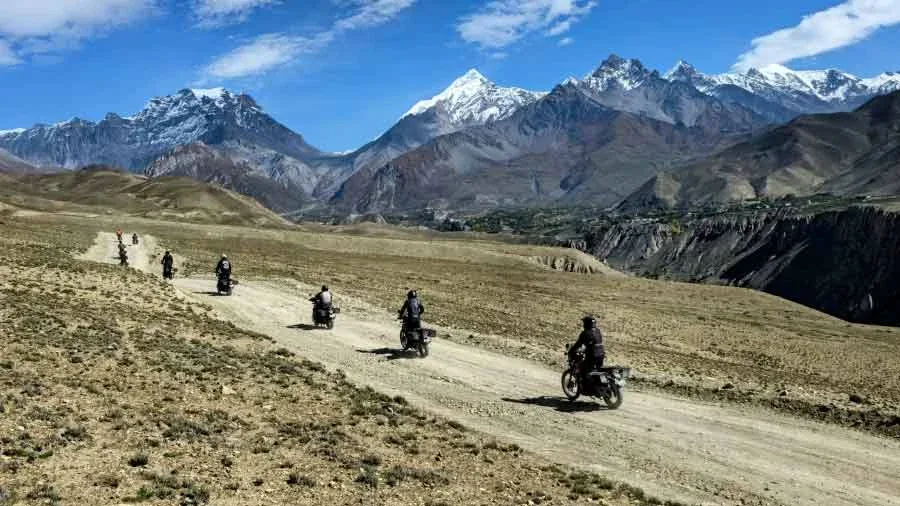
Mustang is one of the most interesting Himalayan destinations in Nepal, with its picturesque landscapes, traditional villages, monasteries, deep gorges and unique Tibetan culture. Mustang is, however, broadly split into two regions, known as Upper Mustang and Lower Mustang and visiting either can be very different. Lower Mustang is comparatively accessible and provides an admixture of Himalayan features, forests, villages and culture, while Upper Mustang is more remote, featuring high elevation desert terrain, ancient settlements, caves, monasteries and Tibetan culture.
Knowing the difference between the two regions can help travellers select an itinerary that best suits their interests, time on hand, money and type of adventure. This is a guide to Upper Mustang vs Lower Mustang highlighting all the important areas of comparison, including landscape, culture, attractions, accessibility, trekking, permits, weather, accommodation and overall travel experience.
What Is Mustang?
Mustang is a part of north-central Nepal, running towards the Tibetan Plateau. The northern part was formerly called the Kingdom of Lo and traces of its cultural and geographic linkages with Tibet are found today. This area is renowned for its distinctive mix of the Himalayas' mountains and arid terrain. Northern Mustang is a land of cliffs, barren mountains, caves and desert, with dense forests and green valleys dominating many parts of the country.
The general term for the area is:
-
Lower Mustang – the southern and more accessible region.
-
Upper Mustang – The far northern part, known in historic times as the Kingdom of Lo.
Both are amazing, but prefer different kinds of travellers.
Upper Mustang vs Lower Mustang: Quick Comparison
|
Feature |
Upper Mustang |
Lower Mustang |
|
Landscape |
High-altitude desert |
Valleys, forests & mountains |
|
Culture |
Strong Tibetan influence |
Mixed Himalayan culture |
|
Accessibility |
More remote |
Relatively accessible |
|
Major Hub |
Lo Manthang |
Jomsom |
|
Main Experience |
Trekking, culture & history |
Nature, villages & adventure |
|
Permits |
Special permit required |
Generally easier access |
|
Accommodation |
Basic to moderate |
Wider range of options |
|
Best For |
Adventure & cultural exploration |
First-time visitors & varied experiences |
Upper Mustang: What Makes It Special?
One of the most offbeat travel destinations in Nepal is Upper Mustang. The landscape is quite otherworldly; there are eroded rock formations, deep valleys, and colorful mountains. It was once isolated from the outside world, which has helped to protect its distinctive Tibetan Buddhist customs and architecture.
-
Lo Manthang - Lo Manthang is one of the greatest places to visit in Upper Mustang. The narrow streets, traditional houses, monasteries and distinctive cultural heritage is the historic walled settlement famous for. A trek to Lo Manthang is a highlight for many hikers on the Upper Mustang trek.
-
Ancient Caves - Another highlight of Upper Mustang is its caves that are carved into cliffs. Often, cave complexes are linked to ancient settlements and religious traditions. These caves add to the archaeological and cultural value of the area.
-
Monasteries - The monasteries are an important part of the identity of Upper Mustang. There are monasteries scattered throughout the area, prayer flags hanging from peaks and mountains, chortens and traditional religious buildings. For those wishing to delve into the culture and philosophy of the Himalayas, there's much to discover.
Lower Mustang: What Makes It Special?
Lower Mustang offers another Himalayan experience. It has green valleys, mountain forests, ancient villages, waterfalls, rivers and spectacular mountain views. It's much easier to access than Upper Mustang and has more of a range of travel experiences.
-
Jomsom - Jomsom is one of the significant towns and transport centres in Mustang. It is a gateway to a number of trekking routes and destinations. Jomsom is also a good starting point for exploring nearby villages and attractions.
-
Marpha - Marpha is known for its old, stone and whitewashed buildings, its narrow streets, apple orchards and mountain setting. It's one of the most popular places to stay in Lower Mustang, and it's suitable for those who like to experience the villages and local cuisine.
-
Muktinath - Muktinath is a place of pilgrimage in the area. It is important to Hindu and Buddhist pilgrims. Religious significance and drama set against the backdrop of the Himalayas make Muktinath a significant destination for many travellers who trek through Mustang.
-
Tatopani - Tatopani is famous for its natural hot springs. Visitors come through the mountains and then get to enjoy soaking up the sun in the warm water.
Landscape: Upper Mustang vs Lower Mustang
-
There are many differences, one of which is the landscape.
-
The climate is a dry, high-altitude desert in Upper Mustang. The terrain includes barren cliffs, eroded rock formations, deep valleys, and colourful mountains.
-
Generally, the vegetation is found to be more abundant in lower Mustang, especially around some river valleys and at lower altitudes. Forests, agriculture, waterfalls and greener mountain scenery can all be found along the way.
-
Mustang is especially interesting, given this contrast, as the landscape might rapidly change as you cross the area.
Culture and Lifestyle
-
There is a particularly strong Tibetan cultural influence. Local architectural styles, Buddhist traditions, monasteries, festivals and local customs are also significant elements of daily life.
-
Lower Mustang also holds a great deal of cultural relics but is more geographically connected to other parts of Nepal.
-
For those interested in cultural experiences, Upper Mustang provides a more remote and historically isolated environment, while the other regions offer them as well.
Trekking in Upper and Lower Mustang
Both areas provide opportunities for trekking, but in a different manner.
-
Upper Mustang Trek - The Upper Mustang trek is typically more about the untamed beauty, the old towns, the monasteries, the caves and the culture. The roads may be steep, and the hike is long and arduous, so you'll need to be ready for high altitudes and a long day.
-
Lower Mustang Trek - There are a number of different trekking trails that are available in Lower Mustang with varying levels of difficulty. Popular treks are around Jomsom, Marpha, Muktinath, Kagbeni and villages. Lower Mustang is also a great choice for those looking for a trek in the Himalayas without all the rough-and-tumble and further-away travelling, due to the accessibility and range of accommodation.
Permits and Regulations
-
One of the most important practical differences is the permit system.
-
Upper Mustang is a trekker's restricted area and the trekker needs a special permit besides the applicable trekker's permit.
-
The requirements, fees and regulations may be subject to change; please make sure you check up-to-date requirements before travelling.
-
Generally, there are not as many access limitations in Lower Mustang, and shorter trips, as well as self-sufficiency, are easier in many places.
-
If you're planning to do a trek in Upper Mustang, you can either go with an experienced trekking agency to make the permit and logistics process easier or you can do it yourself.
Weather and Best Time to Visit
-
When planning your trip to Mustang, weather is something that you should always take into consideration.
-
The time between spring and autumn is often a favourite season for mountain hiking because of the relatively stable weather and excellent mountain visibility.
-
The climate of Upper Mustang is dry as compared to many regions of the Himalayas and Lower Mustang may have different climatic conditions due to its geographical location and lower elevation.
-
High elevations can experience freezing temperatures and snow in the winter and monsoons can also impact travel routes and visibility.
-
Be sure to check the latest weather and road conditions before driving.
Accommodation and Food
-
There are differences in accommodation between the 2 regions.
-
In Lower Mustang, there are a number of hotels, guest houses and teahouses, especially in Jomsom and Marpha.
-
There is simpler lodging in most places in Upper Mustang. There are teahouses and guesthouses run by local people that offer lodging and meals to travellers; however, accommodations may be less extensive.
-
Common dishes eaten at meals are the traditional ones that have been influenced by the people of Nepal and Tibet. On trekking routes, you can easily find dal bhat, noodles, momos, soups, etc., which are basic dishes from the mountain region.
Which Is Better: Upper Mustang or Lower Mustang?
No single answer, since the two regions offer different experiences.
Upper Mustang is for those who are especially interested in:
-
Remote Himalayan landscapes
-
Tibetan culture
-
Ancient villages
-
Monasteries
-
Caves and archaeology
-
Multi-day trekking
-
Off-the-beaten-path experiences
Lower Mustang is a destination for those who are interested in exploring:
-
Easier accessibility
-
Shorter trips
-
Mountain villages
-
Forests and valleys
-
Pilgrimage destinations
-
Hot springs
-
A combination of nature and culture
Those who have more time can also make a trip to see the more diverse attractions of both areas, to get a wider perspective of Mustang.
How to Prepare for a Mustang Trip
For those who visit, preparation is crucial both when heading to Upper Mustang and Lower Mustang.
Carry:
-
Comfortable trekking shoes
-
Warm layers
-
Waterproof jacket
-
Sunglasses
-
Sunscreen
-
Reusable water bottle
-
Personal medicines
-
Basic first-aid supplies
-
Power bank
-
Identification and travel documents
-
Cash for remote areas
In Upper Mustang, more preparation is recommended due to its altitude and remoteness. Travellers should also take time to acclimatise themselves and not rush while travelling.
Why Choose an Experienced Travel Operator?
Mustang travel entails travel planning, lodging, permits, weather and high-altitude travel.
An experienced operator who is local or specialised can assist in organising:
-
Trekking routes
-
Transportation
-
Accommodation
-
Permits
-
Guides and porters
-
Acclimatization days
-
Local sightseeing
-
Emergency planning
When creating a Mustang Trip based on the route, duration and approach, one might want to consult Brahmanic Trailss to get a structured trip into the Himalayan region.
Conclusion
The difference between Upper Mustang and Lower Mustang is more than simply geographical. The two places have different landscapes, cultures, accessibility and travelling experiences. Upper Mustang is renowned for its desert landscape, ancient villages, Tibetan Buddhist culture, caves, monasteries and trekking trails. Lower Mustang is easier to access, has green valleys, traditional villages, pilgrimage sites, hot springs and popular places like Jomsom and Marpha.
Upper Mustang is a special experience in the Himalayas for those ready for a remote cultural adventure and can handle a more challenging journey. Lower Mustang is an alternative route if you are looking for a more accessible way to explore the region, with a mix of nature, culture and shorter treks. In either case, thoughtful planning, consideration of the local culture, proper preparation and ethical travel practices can help ensure your Mustang experience is memorable.
Frequently Asked Questions
1. What is the difference between Upper Mustang and Lower Mustang?
The region of Upper Mustang is very high and remote, with a Tibetan influence, desert landscape, ancient villages, monasteries and caves. Lower Mustang is easier to reach and has green valleys, forests, villages, pilgrimage sites and places like Jomsom and Marpha.
2. Is Upper Mustang harder to visit than Lower Mustang?
It's a more distant region with permit restrictions, which makes for a greater degree of planning in Upper Mustang. Trekking can also be more challenging due to the high elevation and terrain. Generally, Lower Mustang is more accessible.
3. Do I need a special permit for Upper Mustang?
Yes. Upper Mustang is a trekking area with restrictions and special permits must be obtained. Please note that regulations and fees for permits may vary, and travellers should check current laws and fees before travelling.
4. What is the best time to visit Upper Mustang and Lower Mustang?
During the spring and autumn seasons, it is likely that the weather will be favourable for trekking and mountain visibility, making it a popular time of year to visit Mustang. It may vary depending on the direction and prevailing weather.
5. How many days are needed for an Upper Mustang trek?
Duration varies by location, route, acclimatisation program, and destinations covered. If you are looking to do more than just a short trip to the Lower Mustang, you will need a longer trip to the Upper Mustang.
6. Can I visit Upper and Lower Mustang on the same trip?
It is possible to use both regions' destinations, provided that there is enough time, route, transportation, permits and trekking plans. This could be one of the advantages of a combined itinerary, which offers a wider range of experiences of the landscapes and cultural heritage of Mustang.