Winter Spiti Valley: Complete Travel Guide, Weather, Road Conditions & Travel Tips
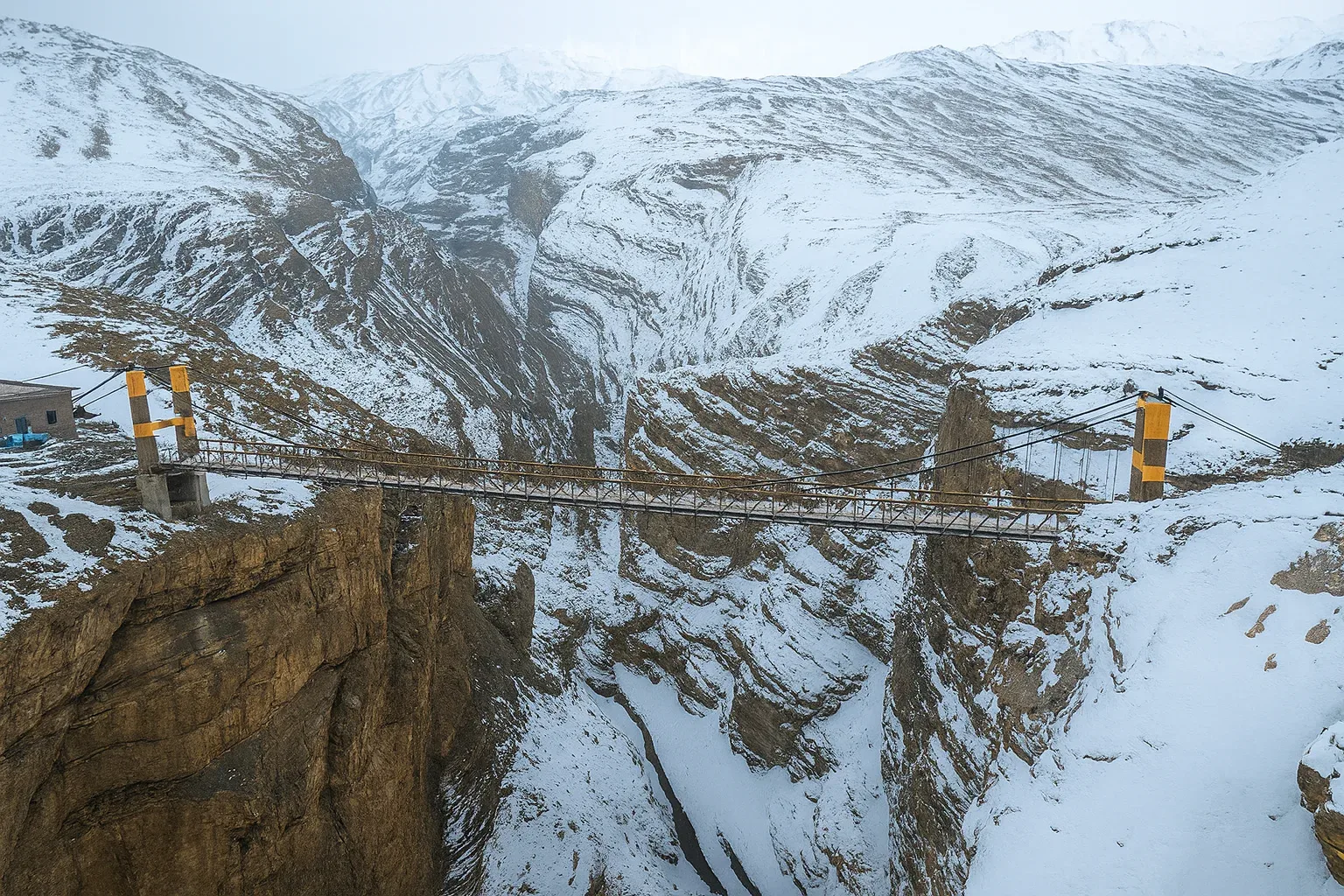
Spiti Valley is one of the most beautiful high-altitude regions of India in the winter season. The landscape is very different in the winter, with snow-covered villages, frozen rivers, rugged mountains, monasteries of a bygone era and clear mountain skies. Winter is also an exciting period for the wildlife enthusiast to experience a snow leopard expedition in Spiti Valley. The cold weather makes for a great time to track the elusive snow leopard with thrilling possibilities.
Spiti Valley winter trekking needs careful planning because the environment may be difficult to travel in, due to the risk of heavy snowfall, cold weather, icy roads, limited accommodation and connectivity. This comprehensive guide details the winter weather, the road conditions, best areas to visit, the Spiti Valley snow leopard expedition, where to stay, what to pack and other key travel tips.
Why Visit Spiti Valley in Winter?
Spiti Valley transforms into a different place in the winter. The villages are covered with snow, the mountains' streams freeze over, and there is a great silence throughout.
Here are some of the reasons to visit:
-
Snow-covered Himalayan landscapes
-
Fewer tourists
-
Peaceful villages
-
Frozen streams and waterfalls
-
Snow-covered monasteries
-
Photography opportunities
-
Local Himalayan culture
-
Opportunities to track in the snow leopard area
-
A true experience of high adventure
Winter is also a chance to see how the local communities survive the harsh conditions in the Himalayas.
Best Time to Visit Spiti Valley in Winter
Winter prevails from late autumn and December to February are among the coldest times of year. There can also be a lot of snow in March, especially at high elevations. Winter is important for travellers specifically interested in a snow leopard trip, as snow leopards are more likely to be seen against the white backdrop and may come down to lower areas to find prey.
However, seeing wildlife is never a given. By the time you're on a snow leopard expedition, you aren't guaranteed to see the leopard, but it is about tracking and observing the other animals that live in their natural habitat. Check the weather, road and local access and wildlife guidelines before travelling.
Winter Weather in Spiti Valley
Spiti is a cold desert at high altitude and temperatures during the winter can get very cold. Daytime temperatures might be more comfortable when the sun is out, but the temperatures can change rapidly after sunset. Early mornings, nights and early evenings are very cold.
Examples of winter conditions include:
-
Sub-zero nighttime temperatures
-
Snowfall
-
Icy roads
-
Strong winds
-
Frozen water sources
-
Reduced daylight
-
Extremely cold mornings and evenings
Actual conditions are dependent on the local and elevation conditions, so travellers should be prepared for extreme cold.
Snow Leopard Expedition in Spiti Valley
Among the most amazing experiences during the winter season in Spiti are the chances one has for a Snow Leopard Expedition. The snow leopard is a very secretive mountain cat. This rare species is found in the high altitudes of Spiti and the valley is considered to be one of the important destinations for wildlife enthusiasts and photographers. In winter months, well-trained local guides and trackers comb appropriate habitats for snow leopard tracks. An expedition can entail hours spent observing from set points, walking through snow-covered areas and meticulously looking around ridgelines and mountain slopes depending on the situation.
What to Expect on a Snow Leopard Expedition
An expedition to see the snow leopard is quite different from a typical sightseeing excursion.
Travellers must be ready for:
-
Very cold temperatures
-
Early mornings
-
Long observation time series
-
High-altitude conditions
-
Walking through snow
-
Patience and flexibility
-
Unpredictable wildlife sightings
The animal can be found for as long as hours or days and it is not certain that one will ever see it. This is then not just an experience to observe the snow leopard, but a journey to explore the Himalayan ecosystem and witness the behaviour of wildlife.
Best Areas for Snow Leopard Tracking
The snow leopard expeditions in Spiti could be conducted around high-altitude villages, in areas where animals are moving around wildlife habitat areas, as per local knowledge, weather and conservation guidance. The snow leopard is found in places like Kibber and other landscapes. The actual search locations, however, should be decided by the local guides who are experienced in tracking rather than by the visitors who will try to search for them themselves.
Responsible Snow Leopard Tourism
Wildlife tourism is very significant and must be done very responsibly. A snow leopard should never be pursued, surrounded, fed or intentionally disturbed by a traveller. Keeping a proper distance and obeying local guides' instructions help to minimise stress to the animals.
Keep quiet, keep still and never try to get close to wildlife for photos.
The happy, responsible expedition keeps the animal's welfare above all else - even getting a picture or a guaranteed sighting.
Spiti Valley Road Conditions in Winter
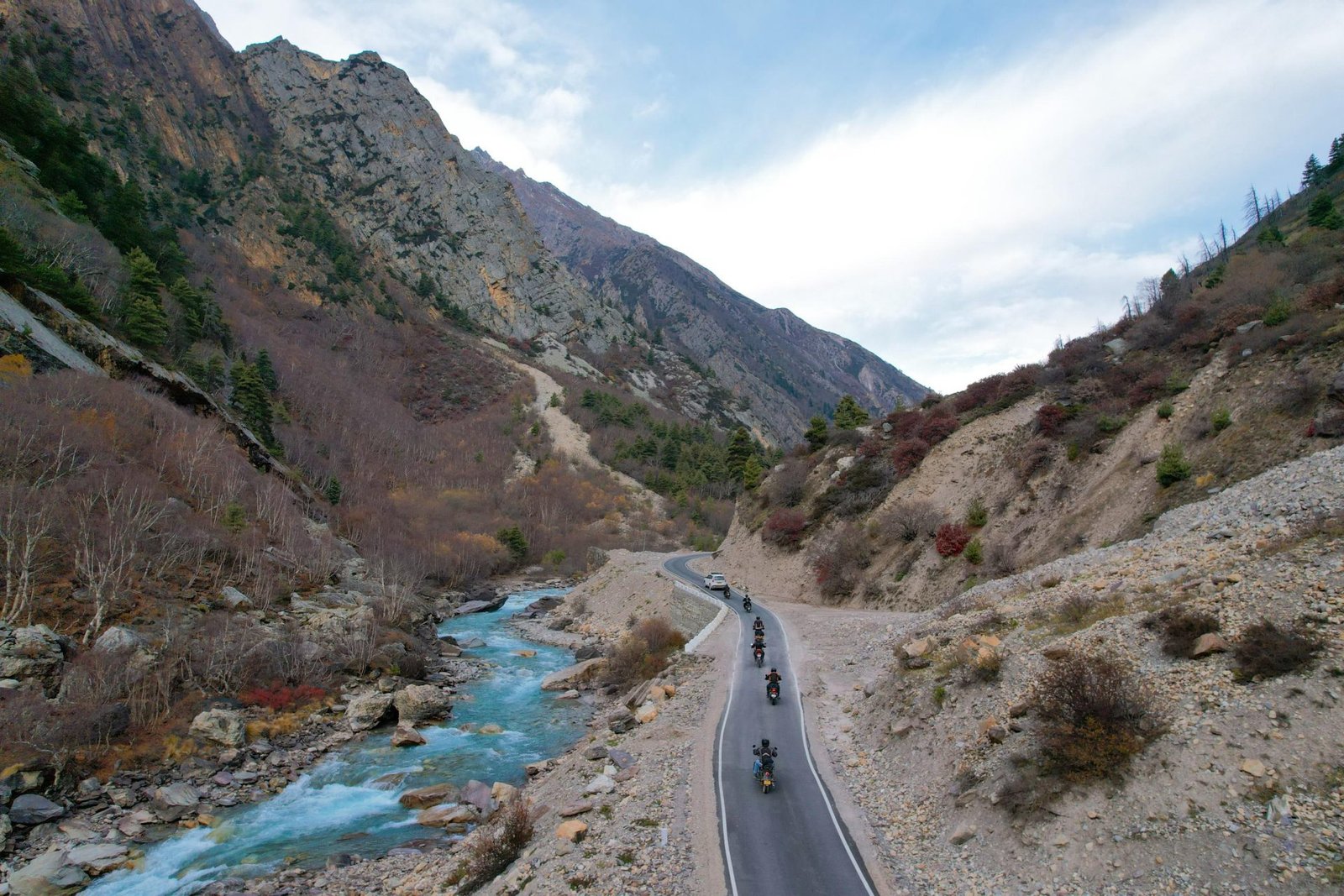
When planning a Spiti Valley road trip in winter, the road conditions are one of the most crucial details to take into account. Roads can become icy and slippery in the snow. Road closures may be temporary due to heavy snow, road damage or weather.
Travelers should:
-
Review the road conditions prior to leaving.
-
Confirm transportation availability
-
Don't needlessly drive at night.
-
Allow additional travel time
-
Follow local instructions
-
Employ experienced mountain driving personnel
-
Avoid a route that is only suitable for the right sort of vehicle
Information after snowfall might be updated quickly depending on the road condition, so one should check the information before and during the journey.
How to Reach Spiti Valley in Winter
The track to Spiti is heavily dependent on the weather at the time. The Manali-Kaza route is often made difficult or impassable in the winter due to high mountain passes and heavy snowfall. Another one is the Shimla – Kinnaur – Kaza route, which is more practical to take in winter also, but some parts may experience snowy, icy and weather-related disruptions. Always check road conditions before setting out on your trip.
It can be particularly helpful to travel with a local expert and driver when conducting a winter wildlife trip since local groups are familiar with the changing mountain conditions and wildlife-tourism needs.
Best Places to Visit in Winter Spiti
-
Kaza - The administrative and commercial hub of the Spiti Valley, Kaza is a crucial point for anyone making it through the winter. It makes it easy to reach the nearby villages, monasteries, shops, cafés and services.
-
Kibber - One of the more popular areas related to winter wildlife experiences is Kibber. It has high-altitude terrain and its surrounding mountains are home to species able to cope with the acidity of the Himalayas. It is also an excellent starting point for those interested in tracking the snow leopard.
-
Langza - Langza is famous for its beautiful landscape and traditional villages. Snow creates a beautiful winter scene.
-
Hikkim - High elevation and a remote Himalayan environment make Hikkim renowned. Winter accessibility is dependent upon snow and road conditions.
-
Komic - Komic features dramatic mountain landscapes and a remote village experience. It is advisable for travellers to enquire about accessibility before adding it to their winter travel plans.
-
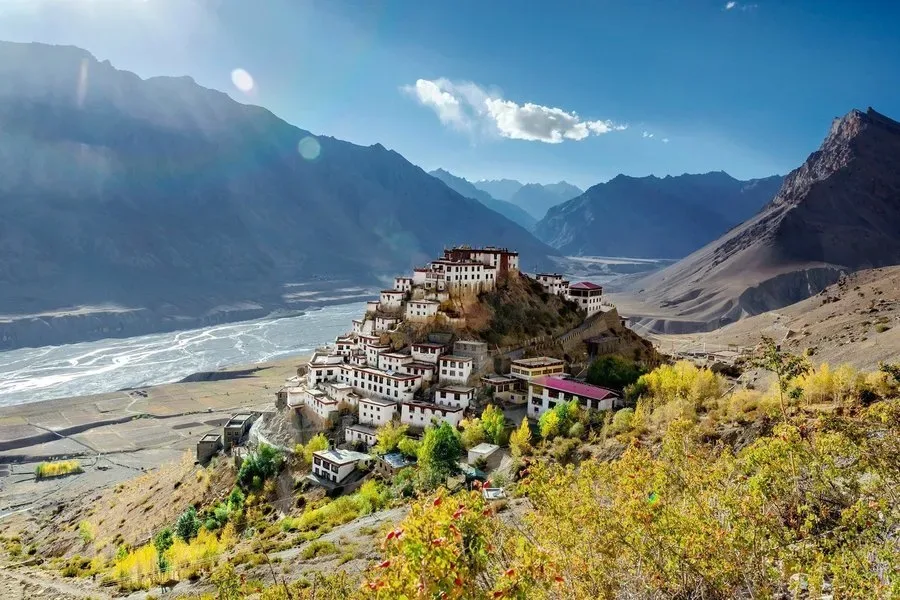
Key Monastery - The key monastery is one of the well-known cultural structures of Spiti. It is especially striking due to its location against the mountains in the surrounding area, especially in winter.
What to Pack for Winter Spiti
Appropriate clothes are a must, especially for those who are taking a trip on a wildlife expedition.
Carry:
-
Thermal innerwear
-
Fleece layers
-
Insulated winter jacket
-
Waterproof outer layer
-
Woolen socks
-
Insulated gloves
-
Warm cap
-
Neck warmer
-
Waterproof trekking shoes
-
Sunglasses
-
Sunscreen
-
Personal medicines
-
Power bank
-
Headlamp
-
Reusable water bottle
Binoculars and appropriate camera gear may also come in handy for a snow leopard journey. Avoid exposing camera batteries and electronic devices to extremely cold conditions, as low temperatures can affect battery performance.
Accommodation During Winter
During winter, the availability of accommodation is limited in comparison to summer.
Before travelling, confirm:
-
Whether the property is open or not
-
Heating arrangements
-
Hot water availability
-
Power backup
-
Meal availability
-
Road accessibility
-
Booking policies
In the case of wildlife trips, spending a lot of time in the expedition zone can minimise unnecessary daily travel and allow more time for wildlife viewing.
Health and Altitude Considerations
-
Spiti is at a high altitude and there is a need to acclimatise.
-
Drink plenty of water, take it easy in the early stages of the trip and listen to your body as you acclimatise to altitude.
-
A wildlife trip can take anywhere from a few hours to a few days, and you will be outside in very cold conditions, so proper clothing, water, rest and pacing are all important.
-
Talk to a professional medical doctor before travelling if you have any concerns about travelling at altitude or if you have a medical problem.
Responsible Winter Travel
It is a delicate environment, especially in winter, in Spiti.
Travelers should:
-
Avoid littering
-
Bring trash back to where it belongs.
-
Respect local traditions
-
Avoid disturbing wildlife
-
Follow designated routes
-
Use water responsibly
-
Avoid unnecessary plastic
-
Support local businesses
-
Obey local instructions and guides.
Responsible travel helps to prevent environmental degradation and supports the local economy of the Spiti region.
Plan Your Winter Spiti Trip
When planning your winter trip, be sure to have flexibility in your plans in case the weather and road conditions shift.
An example itinerary could include:
-
Day 1: Arrival in Shimla or nearby area
-
Day 2: Travel toward Kinnaur
-
Day 3: Continue toward Spiti
-
Day 4: Reach Kaza and acclimatise
-
Day 5: Travel toward Kibber
-
Day 6: Snow leopard tracking and wildlife observation
-
Day 7: Continue expedition or explore nearby villages
-
Day 8: Visit Key Monastery and surrounding areas
-
Day 9: Return journey
-
Day 10: Buffer day for weather and road delays
Please note that the actual routing is subject to change depending on weather, roads, wildlife and local conditions.
When organising a winter trip to the Spiti region, travel in an organised fashion might be considered and a trip with Brahmanic Trails is an option.
Why Choose an Experienced Local Operator?
It takes more work to prepare for a trip in winter across Spiti than for an ordinary Himalayan holiday. Local knowledge is a great asset for snow leopard treks.
An experienced operator can help with:
-
Route planning
-
Local transportation
-
Accommodation
-
Wildlife guides
-
Expedition scheduling
-
Weather-related changes
-
Local permission and guidelines
-
Buffer days
-
Emergency planning
Local trackers can also offer knowledge on wildlife movement and appropriate viewing areas, which can be helpful for wildlife travellers.
Conclusion
A visit to the Winter Spiti Valley is a spectacular adventure of the Himalayas, ancient monasteries, remote villages, extreme winter weather and the chance of seeing one of the most elusive mountain cats in the world. An expedition to Spiti Valley in the Snow Leopards requires patience, proper attire, knowledgeable guides and respect for animals. There is no guarantee of sightings, but going through the snow-covered, remote Himalayas is a memorable experience. Inquire about the weather and road conditions before departure, plan the trip wisely for the conditions, pack for winter weather, take a few days to acclimatise, and be flexible with your plans. Winter offers a different look at Spiti Valley for the picture takers, the adventurers, the culture lovers and the wildlife enthusiasts. However, if the care of planning and the appreciation of the mountains and wildlife are followed, the trip can be a memorable Himalayan adventure.
Frequently Asked Questions
1. When is the best time for a snow leopard expedition in Spiti Valley?
The snow leopard expedition is the most favoured activity during the winter months in Spiti. Tracking and observation are best adventure in the colder months, but not always possible.
2. Where can I see snow leopards in Spiti Valley?
Snow leopard sightings are linked to areas around Kibber and other appropriate high-altitude habitats. The exact tracking site will vary based on wildlife movement, weather, local knowledge and conservation guidelines.
3. How cold is Spiti Valley during a snow leopard expedition?
Winter days are often very cold, and nights and early mornings are very cold when temperatures are below freezing. Participants need to bring warm, insulated clothing.
4. How many days are required for a Spiti Valley snow leopard expedition?
Length of stay will vary depending on the trip and the desired wildlife experience. Generally speaking, the longer the hike, the more chances to observe, since the sighting of any snow leopard is random and can take a great deal of patience.
5. Is Spiti Valley accessible during winter?
Road conditions may vary depending on the amount of snowfall and icy conditions and some parts of Spiti may remain accessible during the winter period. Generally, the Shimla-Kinnaur side is more practical during winter; however, it is advisable to check the road conditions before travelling at all times.
6. What should I carry for a winter Spiti and snow leopard trip?
The essentials are: thermal clothing, insulated jackets, waterproof shoes, gloves, woollen socks, sunscreen, sunglasses, personal medicines, a power bank and sufficient water. Binoculars and camera gear may also be helpful for viewing wildlife.